
When inspecting a privately owned yacht, different types of inspections should be conducted by various professionals, depending on the systems’ complexity and the vessel’s specific needs. Here’s a breakdown of who should perform these inspections:
1. Routine Inspections by the Owner
- Who: The yacht owner or a trusted crew member.
- What: Basic checks such as inspecting the hull for visible damage, checking the bilge for water, ensuring all safety equipment is in place, and monitoring fluid levels (oil, coolant, etc.).
- When: These should be done before every outing and as part of a regular maintenance schedule.
2. Professional Marine Surveyor
- Who: A certified marine surveyor.
- What: A marine surveyor conducts a comprehensive inspection that includes the structural integrity of the yacht, mechanical systems, electrical systems, and safety equipment. They provide a detailed report, which is often required by insurance companies, especially when purchasing a yacht, renewing insurance, or after significant repairs.
- When: A marine survey should be conducted annually or whenever a major purchase, sale, or insurance renewal is involved.
3. Certified Marine Engineer/Mechanic
- Who: A certified marine engineer or mechanic.
- What: Focus on inspecting and maintaining the mechanical systems, including engines, generators, and propulsion systems. They check for signs of wear, perform routine maintenance, and repair or replace components as needed.
- When: Mechanical inspections should be scheduled regularly based on usage, typically every 100-200 hours of engine operation or at least annually.
4. Marine Electrician
- Who: A licensed marine electrician.
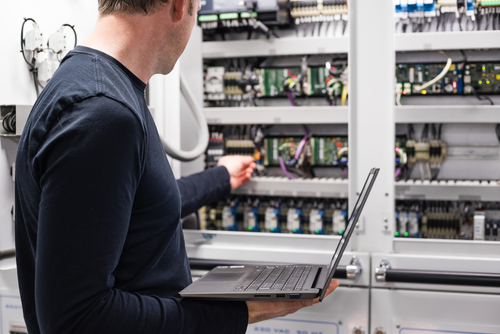
- What: Electrical systems are crucial for a yacht’s safe operation. A marine electrician should inspect the wiring, batteries, charging systems, and onboard electronics to ensure everything functions properly and meets safety standards.
- When: Electrical inspections should be performed annually or sooner if any electrical issues are suspected.
5. Rigging Specialist (for Sailboats)
- Who: A professional rigging specialist.
- What: For sailboats, the rigging (masts, booms, and associated hardware) is a critical system that requires specialized knowledge to inspect and maintain—the rigging specialist checks for wear, corrosion, and tension to ensure safe operation.
- When: Rigging should be inspected at least once a year or more frequently if the boat is used extensively or in harsh conditions.
6. Hull Specialist
- Who: A professional hull inspector or diver.
- What: The hull’s underwater portion should be inspected for damage, fouling, and integrity. This includes checking the condition of the antifouling paint, zinc anodes, and through-hull fittings.
- When: This inspection should be done annually or every six months, depending on the environment and usage.
Conclusion
While the yacht owner can perform some basic inspections, it’s essential to rely on professionals for comprehensive checks, especially regarding the more technical aspects of the yacht’s structure and systems. Regular inspections by qualified professionals ensure that the yacht remains in optimal condition, safe for use, and compliant with insurance and regulatory requirements. Yacht owners can enjoy peace of mind and a better boating experience by involving the right experts.


0 Comments